




Chapter I
The Design
what this deck wants
Thanos, the Mad Titan is a five-color WUBRG goodstuff midrange pile that leans on efficient ramp, dense card draw, and a deep interaction suite to control the board, then closes with big value creatures and Thanos's parity wipe. Its signature line is the Power-up: for {C}{W}{U}{B}{R}{G} (all five colors plus generic), Thanos grows and destroys every OTHER creature of your chosen odd/even mana value — a one-sided sweeper you build your own board around. You out-value the table with tutors and engines, keep the board clean with removal and wipes, and grind them out with recurring threats and a fixed five-color base.

Board Wipes
Written by the Familiar from this decklist
Chapter II
Vital Signs
power, speed, and what the deck is made of
- Power
- 7.9 / 10
- Above its bracket · bracket 4
- Speed
- medium
- stabilizing by turn 3–4, firing the Power-up around turn 5–6
- Difficulty
- advanced
- Lands
- 38
- of 99
- Avg. MV
- 3.21
- nonland
- Spells
- 61
- nonland
Power is the Analysis tab’s score. The six deck-health scores below are the same ones the deck page and the Familiar use.
Deck health · the same six scores as the deck page
Computed from deck data
Chapter III
The Arsenal
the cards that carry the deck
Computed from deck data

Chapter IV
Sequence
how the game unfolds
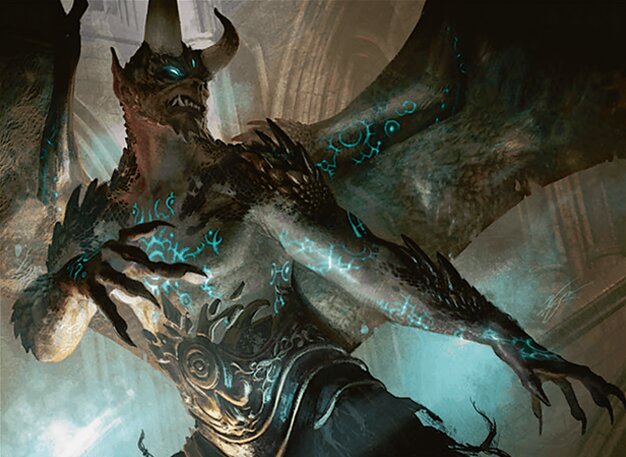
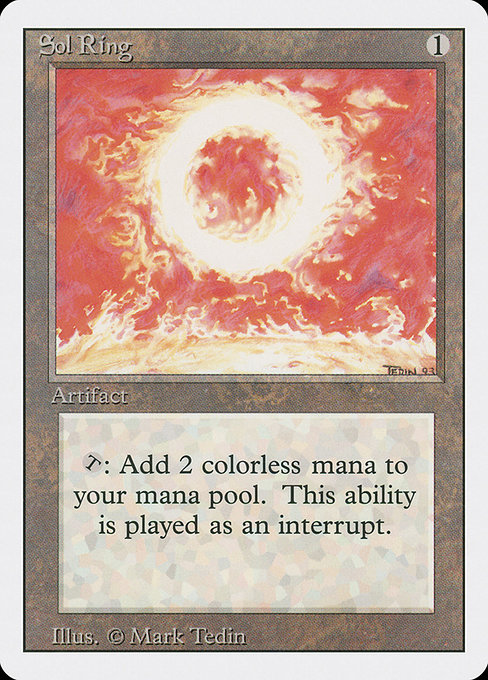
EARLY (T1–3): fix mana and ramp — lead Sol Ring, a dork like Birds of Paradise or Selvala, Heart of the Wilds, or a land-fetch like Nature's Lore/Farseek, and hold up cheap answers (Swords to Plowshares, Path to Exile, Counterspell). MID (T4–6): deploy an engine — Rhystic Study, Sylvan Library, Phyrexian Arena, Black Market Connections, or Sheoldred, the Apocalypse — while trading efficiently and tutoring (Demonic Tutor, Vampiric Tutor) toward the piece you need. Cast Thanos and set up the Power-up: with all five colors online you fire the odd-or-even wipe to blow up the table while your board (built around the surviving parity) stays intact. LATE: convert the advantage — reanimate value with the Primordials or The Soul Stone, refill with Rune-Scarred Demon, or alpha with Craterhoof Behemoth/Avenger of Zendikar.
Ramp is a maxed pillar — twelve REPEATABLE sources: Sol Ring, Arcane Signet, Azorius Signet, Fellwar Stone, dorks Birds of Paradise and Selvala, Heart of the Wilds, land-fetch Farseek, Nature's Lore, Wood Elves, Kodama's Reach, Solemn Simulacrum, and The Soul Stone. These grow every future turn and, critically, FIX toward the five-color Power-up cost. Burst mana is thin — just Black Market Connections Treasure and An Offer You Can't Refuse — so you're built on sustained acceleration, not explosive single turns. The curve is low and dense (16 twos, 16 threes, avg MV 3.21), with only a handful of 6+ payoffs (Avenger, Craterhoof, the Primordials, Rune-Scarred Demon). That shape means you deploy ramp early and reliably reach the five-color wipe by mid-game.
Ramp
Written by the Familiar from this decklist

Chapter V
The Opening
what to keep, what to ship
Expected lands in an opening 7 is ~2.7 — keep hands with 3+ lands (or 2 lands plus a mana source like Sol Ring, Birds of Paradise, or Arcane Signet) that show at least two colors and a play for the first three turns. A great keep has fixing plus a cheap interaction spell (Swords to Plowshares, Path to Exile, Counterspell) or an early engine/ramp piece. In five colors, prioritize color diversity — a two-color-only hand that can't cast your black draw or white removal is a mulligan. Ship 1–2 landers, all-lands-no-action hands, and hands that only work if you draw a specific color.
Ramp
Written by the Familiar from this decklist

Chapter VI
The Close
how it ends
- One-sided board reset into a grind: fire Thanos's Power-up choosing the parity that spares your board, wiping every other creature of the chosen odd/even mana value, then win with the survivors while opponents rebuild.
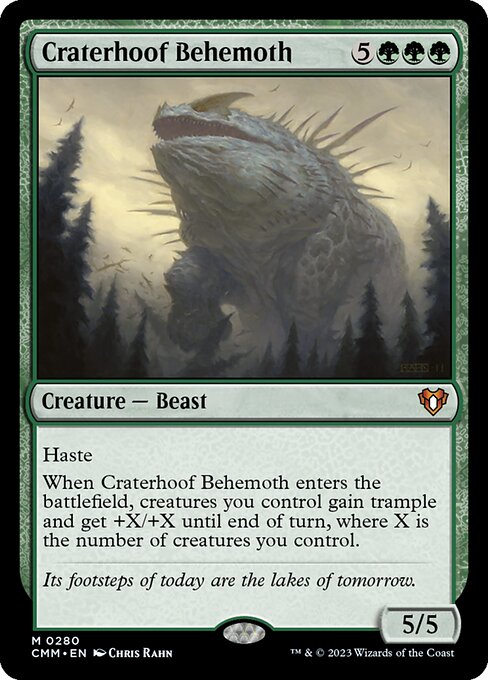
- Combat finish: Craterhoof Behemoth or Avenger of Zendikar (with landfall counters) turns a wide board into lethal trample damage in one turn.
- Incremental drain and value: Sheoldred, the Apocalypse punishing opponents' draws, Purphoros, God of the Forge pinging on each creature ETB, plus recurring threats from the Primordials and The Soul Stone grind the table down.
- Card-advantage lock-out: chain Rhystic Study, Sylvan Library, Phyrexian Arena and tutors to out-resource every opponent, then close with any threat once they're empty-handed.
Win Conditions
Written by the Familiar from this decklist
Chapter VII
Handling
counsel and common errors
- Plan the Power-up around parity BEFORE you fire it: it destroys every OTHER creature of the chosen odd/even value, so audit the whole board. Zero-cost tokens (Doombots, Plants, Treasures-as-creatures? no — but 0/1 Plants) count as EVEN, and X-spell creatures resolve at MV 0 (even) — this can wipe your own Avenger Plants if you pick even. Choose the parity your key creatures do NOT share.
- Remember the cost reducer: if Thanos entered THIS turn, the Power-up cost is reduced by his mana value ({R}{W}{B}), making it dramatically cheaper — sometimes cast-and-fire in one turn is the play if you have five colors up.
- Don't overcommit into open mana — you hold 18 answers including free counters (Fierce Guardianship, Deflecting Swat, Force of Will); represent interaction rather than dumping your hand, since your win is grind, not tempo.
- Sequence ramp for color coverage, not just quantity — you need all five colors for the Power-up, so fetch and fix toward the missing color early rather than flooding one.
- Protect the engine, not just Thanos — Rhystic Study, Sheoldred, and Sylvan Library are your real advantage; hold Heroic Intervention or Teferi's Protection for a table wipe that would blow up your board.
- Use ETB creatures (Ravenous Chupacabra, Solemn Simulacrum, the Primordials, Rune-Scarred Demon) with Ephemerate, Restoration Angel, and Panharmonicon to double up value — this rewards holding blink for the biggest target.
- Against faster combo tables, prioritize your counters and instant-speed removal in the mulligan and early turns — this deck wins the long game but can be raced, so interaction is the pillar to lean on.

Counterspells
Written by the Familiar from this decklist
Chapter VIII
Marginalia
the owner's own hand
Built with the Deck Coach AI assistant.
Written by the deck's owner